

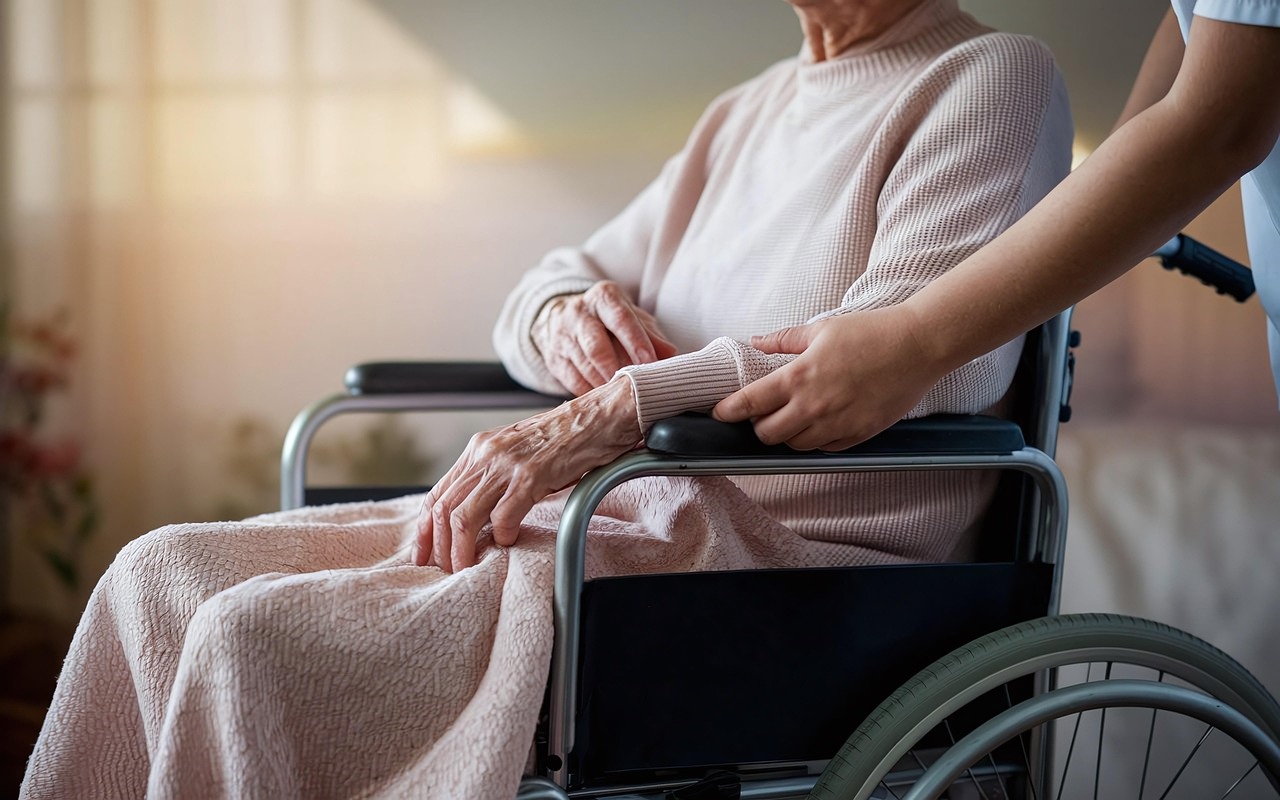
Recovering at home after surgery requires special attention to hygiene. Good hygiene not only prevents infections but also helps the patient heal faster and stay comfortable. This guide from Parijat Nursing Care and Solutions will help you understand the best practices a Patient care taker at home must follow for safe and smooth recovery.
Introduction: Why Hygiene Matters for Home Recovery
When a patient comes home after an operation, they need extra care to avoid infections. Unlike hospitals, a home has fewer strict protocols, so the family and the Patient care taker at home must be careful. Clean surroundings, regular washing, and careful wound care can make all the difference in the healing journey.
1. Keep the Patient’s Room Clean and Well-Ventilated
A clean room reduces germs. Sweep and mop daily with a disinfectant. Make sure the patient’s bed and furniture are dust-free. Keep windows open for fresh air, unless advised otherwise by the doctor. A Patient care taker at home should ensure the room is free from clutter to avoid falls or accidents.
2. Maintain Personal Hygiene for the Patient
Helping the patient stay clean is vital. Give sponge baths if they can’t shower. Change clothes daily. Use mild soap and warm water. Assist with brushing teeth and washing hands before meals. A Patient care taker at home should use clean towels and washcloths for every bath.
3. Ensure Proper Wound Care and Dressing
Post-surgery wounds need careful handling. Always wash hands before touching dressings. Use sterilized materials and follow the doctor’s instructions. Dispose of old dressings in a sealed bag. If you notice redness, swelling, or discharge, inform the doctor immediately. A skilled Patient care taker at home will keep track of wound healing.
4. Safe Handling of Medical Waste
Used bandages, gloves, and syringes should never be left lying around. Use a separate bin with a lid. Dispose of medical waste according to local guidelines. The Patient care taker at home should wear disposable gloves when handling waste.
5. Hygiene for Care Takers and Visitors
The health of the caregiver is just as important. A Patient care taker at home must wash hands frequently, wear masks if needed, and avoid visiting if unwell. Limit visitors to reduce infection risks. Ask family and friends to wash hands before meeting the patient.
6. Manage Bedding and Clothing Regularly
Change bed sheets every 2–3 days, or sooner if soiled. Use fresh pillow covers and blankets. Wash patient clothes separately with mild detergent and dry them in sunlight, which acts as a natural disinfectant. The Patient care taker at home must ensure the laundry area stays clean too.
7. Monitor for Infections and Seek Help Promptly
Look out for signs like fever, unusual discharge, or foul smell from wounds. Early detection prevents complications. Keep emergency contacts handy. A trained Patient care taker at home knows when to call the doctor or nursing supervisor for help.
Role of a Patient care taker at home
A Patient care taker at home does more than assist physically. They play a key role in keeping hygiene standards high. They handle bathing, wound care, cleaning, waste disposal, and medication reminders. Firms like Parijat Nursing Care and Solutions provide trained caretakers who follow strict hygiene protocols, giving families peace of mind during recovery.
Conclusion: Healthy Hygiene for Faster Recovery
Proper hygiene at home is a team effort. A good Patient care taker at home makes this journey safer and smoother by following strict cleanliness habits. For families who need help, trusted services like Parijat Nursing Care and Solutions are always ready to support recovery with trained professionals.