


Growing older does not automatically mean that someone needs a caregiver.
Many seniors continue to live independently, manage their routines and enjoy an active life for years.
But sometimes the changes happen gradually.
A parent who once managed everything independently may start needing help with small tasks. They may become less steady while walking, forget medicines, stop preparing meals regularly or avoid activities they previously enjoyed.
At first, these changes can be easy to dismiss.
But when several signs appear together, it may be time to ask an important question:
Does your loved one need more support at home?
For families looking for home care services for elderly in Jaipur, recognizing these signs early can help them arrange appropriate assistance before a small challenge becomes a major safety concern.
Parijat Nursing Care & Solutions provides home-based elder care with trained caregivers, personalized care plans and support designed around the senior’s individual needs.
What Does “Too Dependent” Actually Mean?
The word “dependent” can sound negative.
But needing some assistance with age is not a failure.
A senior may simply need help with certain activities while remaining independent in others.
For example, someone may be able to:
- Feed themselves
- Communicate normally
- Manage personal decisions
but still need assistance with:
- Bathing
- Walking
- Preparing meals
- Housekeeping
- Medication reminders
Good elder care should support independence rather than unnecessarily taking it away.
The goal is the right amount of help at the right time.
Sign #1: Walking Has Become More Difficult
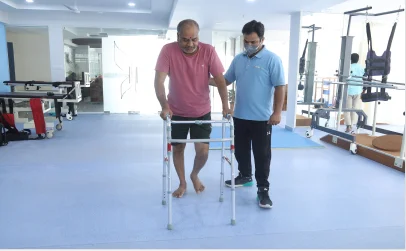
One of the clearest changes families notice is mobility.
Your loved one may:
- Walk more slowly
- Hold onto furniture
- Avoid stairs
- Need assistance standing up
- Use a walking aid
- Feel nervous about walking alone
- Have experienced a recent fall
Mobility changes can increase the risk of falls and may make ordinary activities much harder.
A caregiver can provide appropriate assistance with daily movement when needed.
However, sudden or significant changes in mobility should be discussed with a healthcare professional.
Sign #2: Personal Hygiene Is Becoming Difficult
Bathing and grooming may seem like simple daily activities, but they require balance, strength, coordination and confidence.
A senior may begin avoiding baths because they are afraid of falling.
They may struggle with:
- Bathing
- Dressing
- Grooming
- Oral hygiene
- Toileting
- Changing clothes
If personal care becomes difficult, professional elder care can provide assistance while maintaining dignity and privacy.
Parijat’s elder-care service emphasizes compassionate support and dignity for elderly people receiving care at home.
Sign #3: Medication Routines Are Becoming Confusing
Many elderly people take several prescribed medicines.
The problem begins when your parent starts:
- Forgetting whether medicine was taken
- Missing doses
- Taking medicine at the wrong time
- Confusing medicine packets
- Asking repeatedly about the same medication
Medication changes should never be made without the treating doctor’s advice.
But a caregiver may provide routine reminders and support.
If medication management has become a daily concern for the family, it may be a sign that additional home support is needed.
Sign #4: Meals Are Being Skipped
Look inside the kitchen.
Is there enough fresh food?
Are meals being prepared regularly?
Has your parent lost interest in eating?
Are they struggling to cook because standing for long periods has become difficult?
These changes may indicate that daily living tasks are becoming harder.
Nutrition requirements vary by individual, so families should follow appropriate medical or dietary advice.
A caregiver can assist with meal preparation or feeding when appropriate.
Parijat’s broader patient-care offering includes nutrition and feeding support.
Sign #5: Your Parent Is Spending More Time Alone
Social isolation can be easy to miss.
A senior may stop:
- Visiting friends
- Going for walks
- Attending social activities
- Talking to family
- Participating in hobbies
Sometimes physical limitations cause this withdrawal.
Sometimes the person simply feels less confident going out alone.
Companionship can become an important part of home-based elder care.
A caregiver can provide conversation, routine interaction and practical support while encouraging the senior to remain engaged in activities that are safe and meaningful to them.
Sign #6: Household Tasks Are Becoming Overwhelming
A senior who previously managed the household easily may start struggling with:
- Cleaning
- Laundry
- Grocery management
- Cooking
- Organizing belongings
- Paying routine bills
- Maintaining household routines
One forgotten task is not necessarily a concern.
But a noticeable pattern of decline deserves attention.
The objective is not to take over the person’s entire life.
Instead, identify which tasks require support and which activities the senior can continue managing independently.
Sign #7: There Has Been a Recent Hospitalization or Surgery
A senior may be relatively independent before hospitalization but require significant support afterward.
Recovery may involve:
- Medication management
- Wound care
- Mobility assistance
- Personal hygiene
- Nutrition
- Vital monitoring
- Follow-up appointments
In such situations, temporary home care can provide useful support while the senior regains strength.
For more information about recovery after discharge, internally link to:
Hospital Discharge Done. But Is Your Home Ready for the Patient?
Sign #8: The Family Is Becoming the Full-Time Care Team
Sometimes the biggest warning sign isn’t about the elderly parent.
It is about the family.
Ask yourself:
Are you constantly checking whether your parent is okay?
Are family members taking turns staying at home?
Are work responsibilities being affected?
Are you losing sleep because you’re worried about your parent’s safety?
Are family members becoming physically or emotionally exhausted?
Caregiver stress can affect the entire household.
Seeking professional assistance does not mean the family is abandoning its responsibility.
It can allow family members to spend more meaningful time with their loved one rather than spending every visit managing routine tasks.
Sign #9: Your Loved One Says “I Can Manage”—But You Can See the Struggle
This can be one of the hardest situations.
Many seniors value their independence and may resist asking for help.
They may say:
“I can do it.”
“I don’t need anyone.”
“I’m fine.”
Sometimes they genuinely are fine.
Other times, they are struggling but don’t want to worry their children.
Instead of immediately taking control, have a conversation.
Ask:
Which tasks have become difficult?
What would make your day easier?
Would you prefer someone to help only for a few hours?
Which activities do you still want to do independently?
This approach protects dignity while opening the door to appropriate support.
Home Care Does Not Have to Mean 24-Hour Care
Families sometimes avoid professional elder care because they assume hiring a caregiver means someone must live with the senior around the clock.
That is not always the case.
Care requirements can vary.
A senior may need:
- A few hours of daily support
- Help with bathing
- Mobility assistance
- Meal assistance
- Companionship
- Medication reminders
- Overnight support
- Extended care
The appropriate arrangement depends on the senior’s needs.
Parijat offers flexible elder-care plans and describes its process as assessing the loved one’s needs before matching them with an appropriate trained caregiver.
Elder Care vs. Home Nursing
This distinction is important.
Elder Care
Generally focuses on:
- Daily living
- Personal care
- Mobility
- Companionship
- Meal assistance
- Routine support
Home Nursing
Focuses on skilled healthcare services within the nurse’s professional scope.
Parijat’s nursing services include options such as wound dressing, Foley’s catheter care and nebulization, with care delivered by trained nursing professionals.
Some elderly patients may need only a caregiver.
Others may require skilled nursing.
Some may benefit from both.
How to Introduce Professional Care Without Making Your Parent Feel Helpless
This is where communication matters.
Instead of saying:
“You can’t manage anymore.”
Try:
“Let’s get someone to make things easier for you.”
Focus on what professional support can give them:
- More independence
- Safer movement
- Help with difficult tasks
- Companionship
- More energy for activities they enjoy
- Less pressure on the family
The conversation should be about support, not loss of independence.
How to Choose Home Care Services for Elderly in Jaipur
Before hiring a provider, consider:
Trained Caregivers
Ask about the caregiver’s experience and suitability for your parent’s needs.
Background Verification
Parijat states that its caregivers are trained, experienced and background-verified.
Personalized Care
The care plan should reflect the senior’s actual needs.
Communication
Families should receive appropriate updates and know how to raise concerns.
Flexibility
The required level of care may change.
Respect and Dignity
A senior should always be treated as an individual rather than simply as a patient.
What Can Professional Elder Care Include?
Depending on the individual care plan, support may include:
- Personal hygiene
- Bathing assistance
- Dressing
- Mobility support
- Meal assistance
- Companionship
- Routine medication reminders
- Daily activity support
- Health-related observation
- Post-hospital recovery assistance
If skilled nursing procedures are required, a qualified nurse should handle them.
Frequently Asked Questions
What are home care services for elderly people?
Home care services provide practical and personal support to seniors in their own homes. Depending on the care plan, this may include personal care, mobility, meals, companionship and routine assistance.
When should I hire a caregiver for my elderly parent?
Consider professional support when your parent struggles with mobility, personal care, meals, medication routines, household activities or living safely alone.
Does hiring a caregiver mean my parent has lost independence?
No. A good care plan should support independence wherever safely possible.
Can elder care be temporary?
Yes. Some seniors may only need support during recovery after hospitalization or surgery.
Can a caregiver provide medical procedures?
Caregivers and nurses have different roles. Skilled medical procedures should be performed by appropriately trained healthcare professionals.
Can elderly care be arranged for someone living alone?
Yes. Home-based elder care can provide practical assistance and companionship for seniors who live independently but need additional support.
How much does elder care cost in Jaipur?
Costs vary according to the duration, level of support and individual care requirements. A personalized assessment is the best way to determine an appropriate care arrangement.
How do I choose the right elder care service?
Look for trained caregivers, personalized plans, clear communication, safety practices, flexibility and respectful treatment.
Final Thoughts
Needing support with age does not mean losing independence.
Sometimes the right solution is simply having someone available to help with the tasks that have become difficult.
If your loved one is struggling with mobility, personal hygiene, meals, medications, household tasks, social isolation or recovery after hospitalization, it may be time to consider home care services for elderly in Jaipur.
Early support can help families respond to changing needs before they become a crisis.
Parijat Nursing Care & Solutions provides home-based elder care with trained caregivers, personalized support and a focus on dignity, respect and comfort.
If your loved one needs additional support at home in Jaipur, contact Parijat Nursing Care & Solutions to discuss their requirements and find an appropriate care plan.


Leave a Reply