


For many families, the question starts quietly.
Your parents are getting older, but they are still managing their daily routine. They prepare meals, take their medicines and handle their household responsibilities.
Then you begin noticing small changes.
A missed appointment. An unopened bill. A fall that they don’t mention. Medicines taken at the wrong time. A refrigerator that is suddenly almost empty.
None of these signs alone necessarily means that an elderly parent cannot live independently. But when several changes appear together, they may indicate that additional support is needed.
For families searching for elder care services in Jaipur, understanding these warning signs can help identify when professional support may be beneficial.
Home-based elder care can provide assistance while allowing seniors to remain in the environment they know and love.
Why Living Independently Can Become More Difficult With Age
Ageing does not automatically mean that a person needs a caregiver.
Many older adults remain active and independent for years.
However, changes in mobility, vision, memory, strength, hearing or overall health can gradually make certain activities more difficult.
The challenge for families is recognizing the difference between normal ageing and a situation where additional support may improve safety and quality of life.
The goal should not be to take away independence.
The goal should be to support independence safely.
Warning Sign #1: Frequent Falls or Difficulty Walking
A single stumble may happen to anyone.
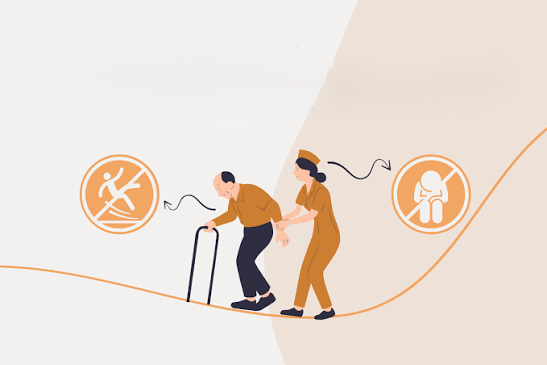
Repeated falls, difficulty getting out of a chair, holding onto furniture while walking, or avoiding certain parts of the house may indicate that mobility has become challenging.
Look for signs such as:
- Difficulty standing up
- Unsteady walking
- Frequent stumbling
- Avoiding stairs
- Difficulty entering the bathroom
- Increased dependence on furniture for support
- Fear of walking alone
Simple home modifications can help, but some seniors may also benefit from assistance with mobility and daily activities.
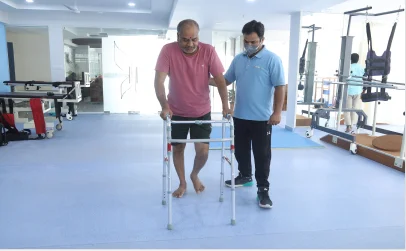
Professional home care can provide support with walking, positioning and routine activities depending on the senior’s requirements.
Warning Sign #2: Missed or Incorrect Medications
Medication routines can become complicated, especially when a senior takes multiple medicines.
You may notice:
- Unused medicines accumulating
- Confusion about medicine timing
- Missed doses
- Repeated questions about the same medicine
- Medicines being taken at the wrong time
Medication management should always follow the treating doctor’s instructions.
A caregiver can provide reminders or routine assistance, but family members should not change doses or discontinue medicines without medical advice.
If medication management is becoming difficult, professional elder care services in Jaipur may provide useful day-to-day support.
Warning Sign #3: Neglecting Personal Hygiene
Changes in personal hygiene can sometimes be overlooked because families may feel uncomfortable discussing them.
However, difficulty bathing, changing clothes, grooming, brushing teeth or using the bathroom may indicate that an elderly parent needs additional support.
The reason could be physical weakness, mobility limitations, pain, memory changes or simply difficulty performing certain tasks.
Professional elder care can provide personal assistance while respecting the senior’s privacy and dignity.
Good care should never make an elderly person feel helpless.
Instead, caregivers should encourage them to do whatever they can safely manage themselves.
Warning Sign #4: Changes in Eating Habits
Food-related changes can be another important signal.
Pay attention if your parent:
- Frequently skips meals
- Has unexplained weight changes
- Has difficulty preparing food
- Leaves food untouched
- Has trouble feeding themselves
- Frequently forgets whether they have eaten
- Has reduced fluid intake
Nutrition requirements vary from person to person, especially when a senior has diabetes, kidney disease, swallowing difficulties or other medical conditions.
Families should follow professional dietary advice where needed.
Home caregivers may assist with meal preparation and feeding when appropriate.
Warning Sign #5: Increasing Social Isolation
Physical health is only one part of elderly well-being.
A senior who previously enjoyed conversations, walks, hobbies or family interactions may gradually withdraw.
Signs can include:
- Spending most of the day alone
- Losing interest in hobbies
- Avoiding visitors
- Rarely leaving the bedroom
- Showing little interest in conversations
- Expressing frequent loneliness
Companionship does not replace medical or mental-health treatment, but regular human interaction can make daily life more engaging and meaningful.
A professional caregiver can provide companionship and encourage safe daily routines.
Warning Sign #6: Difficulty Managing the Home
Look around the home.
Are there unopened food items? Unwashed dishes? Bills piling up? Expired groceries? Increased clutter?
A sudden decline in household organization may indicate that tasks that were once easy have become difficult.
This does not necessarily mean that a senior cannot live independently.
Instead, it may indicate that some practical assistance would make daily life safer and easier.
Warning Sign #7: Memory or Behaviour Changes
Occasional forgetfulness is common.
But significant changes in memory, confusion about familiar places, repeated questions, unusual behaviour or difficulty following familiar routines deserve attention.
Families should not assume that every memory change is dementia.
There can be many causes of confusion or memory problems, and a qualified healthcare professional should assess concerning changes.
For seniors with diagnosed cognitive conditions, structured routines and a safe home environment can be especially important.
Parijat’s existing educational content on Alzheimer’s home care discusses home safety, communication, routines and caregiver support.
Internal Link Opportunity: Link “Alzheimer’s home care guide” to Parijat’s existing Alzheimer’s article.
Warning Sign #8: The Family Is Constantly Worried
This sign is often ignored.
If family members are constantly calling to check whether their parent has:
- Taken medication
- Eaten
- Fallen
- Locked the door
- Attended an appointment
- Managed personal care
then the family may already be experiencing caregiver anxiety.
This does not mean the senior has lost their independence.
It may simply mean that the current support system is no longer enough.
A professional caregiver can provide an additional layer of support while the family remains actively involved.
When Should You Consider Elder Care Services?
You do not have to wait for a major health crisis before arranging support.
Consider discussing professional elder care when:
- Mobility becomes difficult
- Personal care requires assistance
- Medication routines become challenging
- A senior lives alone
- Family members live in another city
- A senior is recovering after hospitalization
- Regular companionship is needed
- Daily household activities are becoming difficult
Early support can often be more comfortable for everyone than waiting until a crisis occurs.
What Can Elder Care at Home Include?
Depending on the senior’s requirements, home-based support may include:
Personal Care
Assistance with bathing, grooming, dressing and hygiene.
Mobility Support
Assistance with safe movement around the home.
Meal Assistance
Help with meal preparation or feeding according to the senior’s needs.
Medication Reminders
Support with maintaining the prescribed medication routine.
Companionship
Conversation, engagement and support with daily routines.
Health-Related Support
When skilled nursing is required, an appropriately trained healthcare professional should be involved.
Parijat’s current patient-care services also include personal care and hygiene, nutrition and feeding, mobility assistance, medication management and vital monitoring.
Elder Care vs. Home Nursing: What Is the Difference?
This distinction is important.
Elder care generally focuses on everyday support, personal assistance, mobility, companionship and routine needs.
Home nursing involves skilled healthcare services that may include clinical procedures and health monitoring within the professional’s scope.
Some seniors need only a caregiver.
Others may need nursing support.
Some may need a combination of both.
The right choice depends on the individual’s health condition and daily needs.
How to Choose Elder Care Services in Jaipur
Before selecting a provider, ask:
Is the caregiver appropriately trained?
Understand the experience and training relevant to your parent’s needs.
Is the care personalized?
A 75-year-old who needs mobility assistance will have different needs from a fully independent senior who mainly wants companionship.
Is communication clear?
Families should know how updates, concerns and changes will be communicated.
Is the care respectful?
Elder care should protect dignity, privacy and independence.
Can the care plan change?
A senior’s needs may change over time, so flexibility is valuable.
How Professional Elder Care Can Help Families
Professional support can reduce the pressure placed on family members.
Adult children may have work responsibilities, children of their own or live outside Jaipur.
Having appropriate support at home can allow families to spend more time with their parents without every interaction becoming focused on chores, medication or routine care.
The objective is not to replace the family.
It is to support the family and the senior together.
Frequently Asked Questions
What are elder care services in Jaipur?
Elder care services provide support to senior citizens with daily activities, personal care, mobility, companionship and other appropriate home-care needs.
When does an elderly parent need a caregiver?
A caregiver may be helpful when a senior struggles with daily activities, mobility, personal hygiene, meals, companionship or routine assistance.
Can elderly parents continue living at home safely?
Many seniors can continue living at home with the right level of support. Safety depends on their health, mobility, cognitive abilities, home environment and available assistance.
Does elder care include medical services?
Basic elder care and skilled nursing are different. Medical procedures should be performed by appropriately trained healthcare professionals.
How much do elder care services cost in Jaipur?
Costs vary depending on the type of care, number of hours, duration and level of support required. Families should discuss the individual’s requirements with the provider.
Can elder care be arranged for seniors living alone?
Yes. Home-based support can be considered for seniors who live alone and need assistance with daily activities, companionship or other appropriate care.
How can I choose the right elder care provider?
Look for trained staff, personalized care, clear communication, respectful treatment, appropriate safety practices and a service plan that matches your parent’s needs.
Final Thoughts
Growing older does not mean giving up independence.
For many seniors, the best solution is not moving away from home but receiving the right support within it.
If your parent is showing several warning signs—difficulty walking, missed medication, declining hygiene, poor nutrition, isolation, memory changes or difficulty managing everyday tasks—it may be time to consider additional assistance.
Professional elder care services in Jaipur can provide practical support while helping seniors maintain comfort, dignity and connection with their families.
Parijat Nursing Care & Solutions provides home-based patient and recovery support, with services that include personal care, mobility assistance, nutrition and feeding, medication management and health monitoring.
If your elderly parent needs additional support at home in Jaipur, contact Parijat Nursing Care & Solutions to discuss their care requirements.

Leave a Reply