


A hospital discharge can feel like the moment everyone has been waiting for.
The patient is finally going home. The family feels relieved. The hospital stay is over.
But then another question appears:
Is your home actually ready for the patient’s recovery?
For many families, the answer is not as simple as it seems.
A patient may be medically stable enough to leave the hospital but still require assistance with medicines, mobility, wound care, nutrition, hygiene, vital monitoring, or daily activities. The family may suddenly find themselves responsible for a recovery routine they have never managed before.
This is why post hospital care at home in Jaipur is becoming an important consideration for families who want their loved ones to recover comfortably while receiving appropriate support at home.
Parijat Nursing Care & Solutions provides post-surgery and patient-care support that can include vital monitoring, wound care and dressing, medication management, mobility assistance, nutrition and feeding support, and personal care and hygiene.
The key is preparation.
Before bringing a patient home, families should understand what the recovery period will require and arrange the right support.
What Does Hospital Discharge Actually Mean?
Hospital discharge does not necessarily mean that a patient has completely recovered.
It generally means that the treating medical team has determined that the patient can continue recovery outside the hospital under the recommended care plan.
The patient may still need:
- Regular medicines
- Follow-up appointments
- Wound dressing
- Mobility assistance
- Nutrition support
- Personal hygiene assistance
- Vital monitoring
- Rest and activity restrictions
- Rehabilitation or exercises
- Assistance with daily activities
The exact requirements depend on the patient’s illness, surgery, age, mobility and medical instructions.
Before leaving the hospital, the family should understand the discharge instructions clearly.
If anything is unclear, ask the healthcare team before going home.
The First 24–48 Hours at Home Matter
The first couple of days after discharge can be challenging.
The patient is adjusting to a different environment while the family is adjusting to a new caregiving routine.
This is the time when practical preparation becomes particularly valuable.
Before the patient arrives, make sure the basic recovery environment is ready.
Prepare the Patient’s Room
The patient should have easy access to:
- Bed
- Drinking water
- Medicines
- Phone
- Emergency contact numbers
- Frequently used personal items
- Appropriate lighting
- Walking assistance if required
Avoid unnecessary clutter around the bed.
If the patient has limited mobility, make sure there is a clear path between the bed, bathroom and other frequently used areas.
1. Do Not Ignore Bathroom Safety
The bathroom can become one of the most challenging areas for a recovering patient.
A person who normally walks independently may suddenly have difficulty standing, turning or maintaining balance.
Depending on the patient’s condition, families may consider:
- Non-slip surfaces
- Adequate lighting
- Grab bars where appropriate
- Assistance during bathing
- Keeping essential items within reach
- Avoiding unnecessary obstacles
Never assume that a patient who walked independently before hospitalization can safely do everything immediately after discharge.
2. Organize Medicines Before the Patient Arrives
Medication management can become confusing when several medicines are prescribed.
Create a simple schedule that includes:
- Medicine name
- Dose as prescribed
- Time
- Food-related instructions if provided
- Any special instructions from the doctor
Do not change the dosage or stop a prescribed medicine without medical advice.
If the patient cannot manage medicines independently, family members or an appropriate caregiver may assist with the routine.
Parijat’s home patient-care services include medication management support as part of its personalized care approach.
3. Understand Wound-Care Requirements
If the patient has a surgical wound or another wound requiring dressing, understand the instructions before leaving the hospital.
Ask:
- When should the dressing be changed?
- What materials are required?
- Who should perform the dressing?
- When is the next follow-up?
- What changes should be reported?
Do not improvise wound treatment.
Different wounds require different care.
For families who find wound care difficult to manage, professional wound dressing at home in Jaipur may be an appropriate option when recommended.
Parijat currently lists wound care and dressing among its patient-care services.
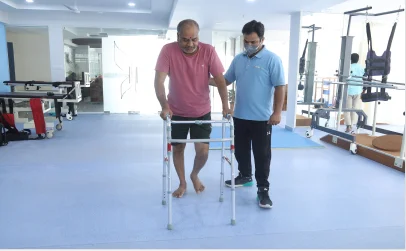
4. Plan for Mobility Before the Patient Comes Home
Hospitalization can leave patients weaker than expected.
They may need help:
- Getting out of bed
- Walking
- Using the bathroom
- Sitting down
- Changing position
- Using a walker or other mobility aid
The goal should be safe movement according to medical advice.
Do not force a patient to walk if they have been advised to restrict activity.
At the same time, do not assume that complete bed rest is always appropriate.
Follow the treating healthcare professional’s recommendations.
Parijat’s patient-care service includes mobility assistance and recovery support.
5. Do Not Overlook Nutrition and Hydration
Patients recovering from illness or surgery may have reduced appetite.
Some may also need assistance with feeding.
Families should follow the diet recommended by the treating doctor or dietitian, particularly if the patient has specific dietary restrictions.
Depending on the care plan, the family may need to arrange:
- Appropriate meals
- Adequate fluids where medically permitted
- Feeding assistance
- Regular meal timing
- Easy access to food and water
Nutrition and feeding support are included in Parijat’s post-surgery and patient-care offering.
6. Know What the Patient Needs Help With
One of the biggest mistakes families make is assuming that they can figure everything out after the patient arrives home.
Instead, make a list before discharge.
Ask these questions:
Can the patient walk independently?
Can they use the bathroom without assistance?
Can they bathe themselves?
Can they take medicines independently?
Do they need wound dressing?
Do they need vital monitoring?
Can they prepare or eat meals independently?
Do they need assistance at night?
The answers help determine whether family support is enough or whether professional home care should be considered.
7. Decide Whether You Need a Nurse or Caregiver
This distinction is important.
A caregiver or patient attendant may help with:
- Daily activities
- Personal hygiene
- Mobility
- Feeding
- Companionship
- Routine assistance
A home nurse may be required when skilled nursing care or clinical procedures are needed within their professional scope.
Parijat provides both nursing and patient-care services, allowing families to discuss their requirements and identify an appropriate care arrangement. Its nursing service includes procedures such as IV therapy, catheter services, nebulization and wound dressing.
For a broader explanation of home nursing, you can internally link this article to:
Complete Guide to Home Nursing Services in Jaipur
8. Create a Daily Recovery Routine
A recovery routine can make things easier for both the patient and family.
Depending on medical instructions, the routine may include:
Morning
- Personal hygiene
- Medicines
- Breakfast
- Vital monitoring if advised
- Light movement if permitted
Afternoon
- Lunch
- Rest
- Medication
- Hydration
- Doctor-recommended activity
Evening
- Personal care
- Dinner
- Medication
- Comfortable positioning
- Family interaction
Night
- Final medication routine
- Bathroom assistance if required
- Comfortable positioning
- Safe environment
The exact routine should always be personalized to the patient’s medical plan.
9. Watch for Changes in the Patient
Families should know the patient’s normal condition so they can notice meaningful changes.
Depending on the patient’s condition, healthcare professionals may recommend monitoring:
- Temperature
- Blood pressure
- Pulse
- Oxygen saturation
- Pain
- Wound appearance
- Appetite
- Mobility
- Alertness
Do not attempt to diagnose serious symptoms at home.
If the patient develops severe breathing difficulty, loss of consciousness, uncontrolled bleeding, severe chest pain, or another medical emergency, seek urgent medical attention.
When Should You Consider Professional Post Hospital Care?
Professional support may be useful when:
- The patient has limited mobility
- The family cannot provide full-time assistance
- Skilled nursing procedures are required
- The patient needs regular monitoring
- The patient is elderly
- The patient needs help with personal care
- The patient requires wound dressing
- The family caregiver is becoming overwhelmed
Parijat’s post-surgery and patient-care process includes discussing the patient’s needs, developing a personalized care plan and assigning trained support.
How Professional Home Care Can Help
The purpose of professional home care is not to replace the family.
It is to support the family.
A trained professional can assist with appropriate care responsibilities while family members continue to provide emotional support and stay involved in important decisions.
This can be especially valuable when adult children have work commitments or cannot remain at home throughout the day.
How to Choose Post Hospital Care at Home in Jaipur
Before choosing a provider, ask:
Is the staff trained?
The assigned professional should have appropriate experience for the patient’s needs.
Is the care personalized?
The care plan should reflect the patient’s condition rather than being a generic package.
Are services clearly explained?
Families should understand exactly what is included.
Is communication maintained?
Families should know how updates and concerns will be communicated.
Can the plan be adjusted?
Recovery changes over time, so flexibility is important.
Parijat states that its post-surgery care plans are tailored to the surgery, medical requirements and duration of care, with regular progress updates to families.
Frequently Asked Questions
What is post hospital care at home?
Post hospital care at home is the support provided to a patient after discharge while they continue recovering at home. Depending on the patient’s needs, it may include personal care, medication support, mobility assistance, wound care, nutrition and monitoring.
Is post hospital care suitable for every patient?
No. The suitability of home recovery depends on the patient’s medical condition and the treating healthcare team’s recommendations.
What should I prepare before bringing a patient home?
Prepare the patient’s room, medicines, medical supplies, mobility arrangements, food, emergency contacts and any required professional support.
Do I need a nurse or caregiver after hospital discharge?
It depends on the patient’s needs. A caregiver may assist with daily activities, while a trained nurse may be needed for skilled nursing procedures.
How long does post hospital care last?
There is no fixed duration. Care may be needed for a few days, several weeks or longer depending on the patient’s condition and recovery plan.
Can elderly patients receive post hospital care at home?
Yes, suitable elderly patients may receive home-based support when their medical condition allows recovery outside the hospital.
When should I contact a doctor after discharge?
Follow the discharge instructions and contact the treating healthcare professional when symptoms change or when you have concerns. Emergency symptoms require urgent medical attention.
Final Thoughts
Hospital discharge is not the end of recovery.
It is often the beginning of a new phase.
A prepared home, organized medication routine, safe mobility plan, appropriate nutrition, proper wound care and the right level of professional support can make the transition easier for both patients and families.
If your loved one has recently been discharged and your family is struggling to manage everything alone, post hospital care at home in Jaipur can provide practical support while the patient continues recovering in familiar surroundings.
Parijat Nursing Care & Solutions offers personalized post-surgery and patient-care support, including vital monitoring, wound care, medication support, mobility assistance, nutrition and personal care.
Need professional post-hospital care in Jaipur? Contact Parijat Nursing Care & Solutions to discuss your loved one’s requirements and arrange an appropriate home-care plan.


Leave a Reply