

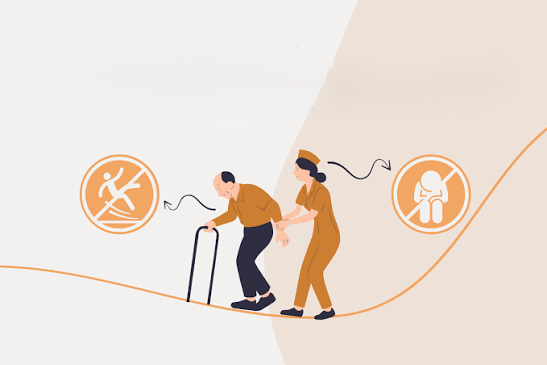
One Loose Rug Can Become a Major Problem for an Elderly Person
For most families, home is the safest place for an elderly parent.
It is familiar. They know where everything is. They have their own room, their own bathroom, their own routine.
But as people grow older, everyday things that once seemed harmless can become potential hazards.
A loose rug.
A wet bathroom floor.
Poor lighting.
A staircase without a handrail.
A chair that is difficult to get out of.
Even a pair of slippers with poor grip can increase the difficulty of moving around safely.
For families looking for elderly fall prevention at home in Jaipur, the good news is that many household risks can be reduced through simple changes.
Fall prevention is not about keeping an elderly person in bed or preventing them from moving.
In fact, the goal should be the opposite:
Help older adults remain as safely independent and mobile as possible.
This requires a combination of a safer environment, appropriate mobility support, suitable footwear, regular observation, and professional assistance when needed.
In this guide, we look at 15 practical ways families can make the home safer for elderly people and explain when additional caregiving or mobility support may be useful.
Important: This article provides general educational information. An elderly person’s individual fall risk should be assessed by an appropriate healthcare professional, particularly if they have experienced previous falls, dizziness, weakness, balance problems, or a sudden change in mobility.
Why Are Elderly People More Vulnerable to Falls?
A fall can happen to anyone.
However, older adults may face factors that make falls more likely or make recovery from a fall more difficult.
These can include:
- Reduced muscle strength
- Balance difficulties
- Reduced vision
- Joint stiffness
- Mobility limitations
- Difficulty getting up from chairs or beds
- Use of walking aids
- Environmental hazards
- Certain medication-related effects
- Previous falls
- General weakness
Not every elderly person has these issues.
The important thing is to understand the individual’s abilities rather than assuming that every older adult needs the same level of supervision.
15 Ways to Improve Elderly Fall Prevention at Home
1. Remove Loose Rugs and Mats
Loose rugs can move unexpectedly under a person’s feet.
This is especially risky for someone who already has balance difficulties.
Walk through the home and identify rugs that:
- Slide easily
- Have curled edges
- Are placed in high-traffic areas
- Sit near beds or chairs
- Are difficult to see
If a rug is not necessary, removing it may be the simplest solution.
If a mat is required in a particular area, make sure it is appropriately secured according to safety recommendations.
2. Improve Lighting Throughout the Home
Poor lighting can make everyday hazards difficult to see.
This becomes especially important at night.
Pay attention to:
- Bedroom lighting
- Bathroom lighting
- Staircases
- Hallways
- Entryways
- Areas between the bedroom and bathroom
Night lights can help illuminate frequently used paths.
The goal is to make it easier for an elderly person to identify obstacles before stepping over or around them.
3. Make the Bathroom Safer
The bathroom deserves special attention.
Wet surfaces can become slippery, while getting in and out of a shower or toilet can require significant balance and strength.
Depending on the person’s needs, families may consider professionally recommended safety modifications such as:
- Grab bars
- Appropriate non-slip surfaces
- Shower seating where suitable
- Easier-to-use bathroom fixtures
- Better lighting
- Clear walking space
An elderly person should not be expected to balance on one leg while entering a wet shower area.
4. Keep Frequently Used Items Within Easy Reach
Older adults should not have to climb on chairs or stools to reach everyday items.
Keep commonly used things at accessible heights.
This can include:
- Clothes
- Medicines
- Drinking water
- Frequently used kitchen items
- Phone
- Remote control
- Personal-care products
Avoid storing essential items on very high shelves.
A small change in organization can eliminate an unnecessary reaching or climbing risk.
5. Keep Walking Areas Clear
Look at the paths the elderly person uses every day.
Are there:
- Electrical wires?
- Boxes?
- Shoes?
- Bags?
- Furniture?
- Small stools?
- Decorative objects?
Anything that creates an unnecessary obstacle should be moved.
Pay particular attention to the path between:
Bed → Bathroom → Living Area → Dining Area
These are often high-use areas.
6. Choose Appropriate Footwear
Footwear can influence stability.
Encourage the elderly person to use comfortable footwear that fits properly and provides appropriate grip.
Avoid footwear that:
- Slips easily
- Is too loose
- Has worn-out soles
- Is difficult to put on
- Makes walking uncomfortable
Walking barefoot on certain surfaces may also be unsuitable for some people.
If an elderly person’s balance is poor, ask a healthcare professional for advice about suitable footwear.
7. Make the Bed Easier to Get In and Out Of
Getting out of bed can be one of the more challenging movements for an elderly person.
The bed should be at a suitable height for the person.
Keep nearby:
- Appropriate lighting
- Walking aid if prescribed
- Phone or emergency contact method
- Frequently needed personal items
Encourage the person to sit on the edge of the bed briefly before standing if they experience dizziness when getting up.
If dizziness is frequent or new, speak with a healthcare professional.
8. Don’t Rush From Sitting to Standing
Older adults sometimes experience dizziness or instability after standing.
Encourage a slower transition:
Sit → Pause → Stand → Stabilize → Walk
If the person regularly feels dizzy after standing, this should be discussed with their healthcare professional.
Do not simply assume that dizziness is “normal because of age.”
A new or worsening symptom deserves attention.
9. Keep Stairs Safe
If the home has stairs, examine them carefully.
Check:
- Handrails
- Lighting
- Step visibility
- Objects left on steps
- Floor condition
- Footwear
- Whether the person actually needs to use the stairs
A secure handrail can provide valuable support.
If an elderly person has significant mobility limitations, families should ask a physiotherapist or other appropriate professional about the safest way to manage stairs.
10. Encourage Safe Mobility Instead of Complete Inactivity
One common mistake families make is becoming overly protective.
After an elderly person falls, relatives may start saying:
“Don’t walk.”
“Stay in bed.”
“We’ll bring everything to you.”
While the intention is understandable, excessive inactivity may contribute to further weakness and loss of independence.
The appropriate amount of movement depends on the individual’s health and mobility.
A doctor or physiotherapist can recommend suitable exercises and activities.
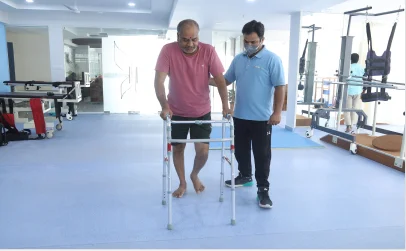
Parijat’s elder-care services include mobility assistance and yoga/exercise/physical therapy support.
11. Use Walking Aids Correctly
Some elderly people use:
- Walking sticks
- Walkers
- Other mobility aids
These devices should be appropriately selected and adjusted.
A walking aid that is the wrong height or used incorrectly may not provide the expected support.
If the elderly person has difficulty using a walking aid, ask a physiotherapist or other qualified professional for guidance.
Family members should not simply assume:
“They have a walker, so they’re safe.”
Correct use matters.
12. Pay Attention to Medication-Related Dizziness
Some medicines may cause side effects such as dizziness, drowsiness, or weakness in certain people.
This does not mean the patient should stop taking prescribed medication.
Instead, families should communicate concerns to the treating doctor.
If an elderly person starts experiencing new dizziness, unusual sleepiness, confusion, or balance problems after a medication change, inform the healthcare professional.
Never change or discontinue prescription medication without medical advice.
13. Keep Emergency Contacts Easily Accessible
Even with good prevention, accidents can happen.
Make sure important numbers are easily accessible.
Consider keeping:
- Family contact numbers
- Doctor’s number
- Nearby hospital information
- Emergency medical service information
The elderly person should know how to contact someone if they are able to do so.
For individuals living alone, additional safety planning may be particularly important.
14. Don’t Ignore Previous Falls
A previous fall is important information.
If an elderly person has already fallen, the family should consider why it happened.
Ask:
Was the floor wet?
Was there poor lighting?
Did the person feel dizzy?
Were they trying to reach something?
Did they trip over something?
Were they using a walking aid?
Did they suddenly feel weak?
Finding the possible reason can help the family reduce future risks.
If the cause is unclear, discuss the fall with the patient’s healthcare professional.
15. Consider Professional Mobility Assistance
Some elderly people need occasional help.
Others need regular assistance with:
- Walking
- Getting out of bed
- Bathroom movement
- Transfers
- Exercise
- Daily activities
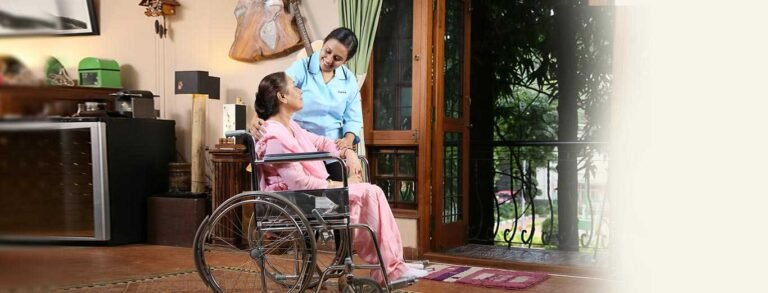
In these situations, professional elder-care support can make a significant difference.
Parijat’s elder-care services include mobility assistance, daily living support, personal care, exercise support, meal assistance, companionship, and medication reminders.
Professional support can also help families understand where an elderly person needs assistance and where they can safely maintain independence.
How to Create a Simple Fall-Safety Check at Home
You don’t need complicated equipment to begin.
Walk through the house with the elderly person’s normal daily routine in mind.
Bedroom
Check:
- Lighting
- Bed height
- Walking path
- Footwear
- Access to phone
Bathroom
Check:
- Wet surfaces
- Grab-bar requirements
- Lighting
- Toilet access
- Shower safety
Living Room
Check:
- Rugs
- Furniture placement
- Electrical cables
- Walking space
Kitchen
Check:
- Frequently used items
- Floor condition
- Counter height
- Safe movement
Stairs
Check:
- Handrails
- Lighting
- Objects on steps
- Step visibility
This simple walkthrough can reveal hazards that the family has become accustomed to seeing.
Fall Prevention for Elderly People Living Alone
Fall prevention becomes even more important when an elderly person lives alone.
Families may consider:
- Regular phone calls
- Scheduled visits
- Emergency contacts
- Medical alert options where appropriate
- Keeping essential items accessible
- Improving bathroom safety
- Ensuring good lighting
- Arranging appropriate caregiver support
If the person has significant mobility limitations, frequent falls, confusion, or other concerns, living alone may no longer be appropriate without additional support.
The decision should be based on the individual’s actual needs and safety.
What If an Elderly Person Falls?
If an elderly person falls, don’t immediately pull them up.
First, assess the situation.
Ask whether they:
- Are conscious
- Have severe pain
- Have difficulty breathing
- Have hit their head
- Are bleeding
- Can move normally
- Appear confused
- Can safely move
If there is a serious injury or the person appears severely unwell, seek emergency medical help.
Do not force the person to stand if there may be a significant injury.
After a fall, medical assessment may be appropriate even when the injury initially appears minor, particularly for older adults.
When Should a Doctor Be Contacted?
Families should seek medical advice when an elderly person develops:
- Repeated falls
- New dizziness
- Sudden weakness
- New balance problems
- Difficulty walking
- Frequent near-falls
- New confusion
- Significant changes in mobility
- Pain after a fall
- A head injury
- Unexplained loss of independence
A sudden change in mobility should not automatically be attributed to aging.
There may be an underlying issue that requires assessment.
The Role of Family Caregivers in Fall Prevention
Family members can play an important role.
But the goal should not be to take over every activity.
Instead, ask:
“What can this person safely do themselves?”
If your parent can dress independently but needs help getting into the shower, provide assistance where it is needed.
If they can walk safely with a prescribed walking aid, allow them to maintain that independence.
If they need supervision on stairs, provide it.
Good elder care balances:
Safety + Independence + Dignity
When Professional Elder Care May Be Helpful
Families sometimes wait until a crisis before arranging professional support.
It may be worth considering assistance earlier when:
- An elderly parent is becoming less mobile
- Family members cannot visit regularly
- Bathing has become difficult
- Walking requires assistance
- The person needs companionship
- Meals are becoming difficult to manage
- Medication reminders are needed
- The person needs help with daily activities
Professional elder care can be adjusted according to the level of assistance required.
Frequently Asked Questions
What is the most important part of elderly fall prevention at home?
Start with the environment. Remove unnecessary obstacles, improve lighting, make bathrooms safer, and ensure the elderly person has appropriate mobility support.
How can I make my elderly parent’s bathroom safer?
Consider appropriate lighting, clear walking space, secure support features such as grab bars where professionally recommended, and measures to reduce slippery surfaces.
Should elderly people avoid walking to prevent falls?
Not necessarily. Safe movement and appropriate activity are important for maintaining independence. The person’s doctor or physiotherapist should guide their activity level.
Does a walking stick prevent falls?
A properly selected and correctly used walking aid may provide support for some people, but it does not eliminate fall risk.
What should I do if my elderly parent falls?
Assess them before trying to move them. If there is severe pain, suspected serious injury, loss of consciousness, breathing difficulty, confusion, or another emergency sign, seek urgent medical assistance.
Can a caregiver help prevent elderly falls?
Yes. A caregiver can assist with mobility, daily activities, personal care, and supervision according to the person’s needs. Professional nursing may be needed when clinical care is involved.
Is elderly mobility assistance available in Jaipur?
Professional elder-care providers in Jaipur can offer mobility and daily-living assistance depending on the elderly person’s requirements.
Final Thoughts
Elderly fall prevention at home in Jaipur is not about turning a home into a hospital or preventing an older adult from doing anything independently.
It is about identifying unnecessary risks and creating an environment where the person can move as safely as possible.
Start with the basics:
Remove loose rugs.
Improve lighting.
Clear walking paths.
Make the bathroom safer.
Choose appropriate footwear.
Keep important items within reach.
Encourage safe mobility.
Pay attention to changes in balance or strength.
Ask for professional help when needed.
Most importantly, remember that fall prevention is an ongoing process.
An elderly person’s abilities can change over time.
The home that was perfectly safe six months ago may need adjustments today.
If your parent or loved one is becoming less mobile or needs assistance with everyday activities, professional elder-care and mobility support can help families create a safer and more manageable routine.
Parijat Nursing Care & Solutions provides elder-care support in Jaipur, including daily living assistance, personal care, mobility assistance, exercise support, meal and feeding assistance, companionship, and medication reminders.
A safer home doesn’t mean taking independence away. It means creating the right environment for independence to continue safely.

Leave a Reply