

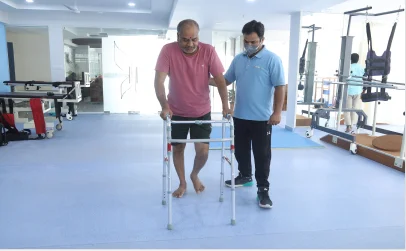
What Actually Happens When a Nurse Comes to Your Home?
Booking a nurse at home can feel unfamiliar, especially if your family has never used professional home healthcare services before.
You may have questions like:
Will the nurse check the patient’s condition first?
Should we keep medical reports ready?
Will the nurse perform the procedure immediately?
What should the family do during the visit?
How long will the visit take?
Understanding the process beforehand can make the experience much easier.
A professional home nursing visit in Jaipur is not simply about sending a nurse to someone’s house to perform a procedure. A proper visit should begin with understanding the patient’s needs, reviewing the relevant instructions, preparing for the required care, providing the appropriate nursing service, and communicating important observations to the family.
For patients who have difficulty travelling to a hospital or clinic, professionally arranged nursing care at home can also provide greater convenience while allowing them to remain in familiar surroundings.
In this guide, we explain what families can generally expect before, during, and after a home nursing visit, how to prepare the patient and home, what services may be provided, and when professional nursing support may be appropriate.
Important: Home nursing is not a substitute for emergency medical treatment. If a patient has severe breathing difficulty, chest pain, uncontrolled bleeding, loss of consciousness, or another medical emergency, seek immediate emergency medical care.
What Is a Home Nursing Visit?
A home nursing visit is a scheduled visit by a trained nursing professional to provide appropriate healthcare support at the patient’s residence.
The exact purpose of the visit depends on the patient’s condition and the care plan.
A patient may require a nurse for a specific procedure, while another patient may require recurring visits for ongoing care.
Depending on the patient’s needs and the provider’s professional scope, home nursing may involve services such as:
- IV injections
- IV infusions
- Wound dressing
- Catheter-related care
- Ryles tube-related services
- Nebulization
- Vital monitoring
- Medication-related support
- Post-surgery care
- Patient observation
Parijat Nursing Care & Solutions currently lists several of these services as part of its nursing-care offering.
The important point is that the service should be matched to the patient’s actual requirements.
Step 1: The Family Explains the Patient’s Requirement
The process generally starts before the nurse arrives.
When contacting a home healthcare provider, the family should explain why nursing support is needed.
For example:
- “My father needs a wound dressing.”
- “My mother has been prescribed an IV infusion.”
- “The patient needs catheter-related care.”
- “We need help with nebulization.”
- “The patient has recently returned home after surgery.”
- “We need regular vital monitoring.”
The more information the family provides, the easier it becomes for the provider to understand what type of professional may be appropriate.
Parijat’s nursing-care process currently begins with Reach Out, followed by assessment and care delivery.
Step 2: Keep the Patient’s Medical Information Ready
Before a home nursing visit in Jaipur, families should keep relevant medical information available.
This may include:
Doctor’s Prescription
If the visit involves a prescribed medication, injection, infusion, dressing, or other clinical procedure, keep the doctor’s instructions accessible.
Recent Medical Reports
Recent reports can help the healthcare professional understand the patient’s situation.
Hospital Discharge Summary
For recently discharged patients, the discharge summary can be particularly useful.
Medication List
Prepare a list of the medicines the patient is currently taking.
Allergy Information
Tell the healthcare professional about any known allergies or previous reactions.
Relevant Medical History
If the patient has important medical conditions, make sure the nurse is aware of them.
You do not need to prepare a huge file of paperwork for every visit.
The goal is simply to make important information available when it is relevant.
Step 3: The Nurse Understands the Patient’s Condition
When the nurse arrives, the first priority should be understanding the patient’s current condition and the reason for the visit.
The nurse may ask questions about:
- Current symptoms
- Recent medical events
- Doctor’s instructions
- Current medications
- Previous procedures
- Allergies
- Patient comfort
- Any recent changes in condition
The exact assessment depends on the reason for the visit.
For example, a wound-care visit will be different from an IV infusion visit.
A post-surgery patient may require a broader assessment than someone who has booked a single routine nursing procedure.
Step 4: The Nurse Reviews the Required Care
After understanding the patient’s needs, the nurse determines what care is required within the agreed service and professional scope.
This step is important because home nursing should not become a situation where families simply tell a nurse to perform a medical procedure without appropriate instructions.
For prescribed procedures, the healthcare professional should follow the relevant medical instructions.
The family should communicate any changes they have noticed since the previous visit.
For example:
“The patient has been more uncomfortable since yesterday.”
or
“The wound appears different today.”
or
“The patient had difficulty breathing earlier.”
Such information can be important for determining whether the planned home service remains appropriate or whether the patient needs further medical evaluation.
Step 5: Preparing the Area for Nursing Care
The home does not need to look like a hospital.
However, the nurse should have a reasonably clean and suitable area to provide the required care.
Depending on the service, this may involve:
- A clean bed or chair
- Adequate lighting
- Sufficient space
- Access to necessary supplies
- Privacy for the patient
- A safe working area
For wound dressing or other clinical procedures, maintaining appropriate hygiene is particularly important.
Families can make the visit easier simply by preparing a clean, uncluttered area beforehand.
Step 6: The Nursing Procedure Is Performed
This is the part most families think of when they hear the phrase home nursing visit.
The actual procedure depends entirely on the patient’s requirements.
IV Injections and Infusions
Some patients may require prescribed IV injections or IV infusions at home.
These should be administered by appropriately trained professionals according to the patient’s medical instructions.
The nurse may prepare the prescribed treatment, provide the procedure within their professional scope, and observe the patient during the process.
Wound Dressing
Patients recovering from surgery, injury, or certain medical conditions may require wound dressing.
The nurse may assess the wound and perform dressing according to the prescribed care plan.
Families should report changes such as increasing pain, unusual discharge, swelling, fever, or other concerning symptoms.
Foley Catheter Care
Patients who require urinary catheter care may need professional assistance with appropriate catheter-related procedures and maintenance.
The nurse may also explain relevant hygiene and observation requirements to the family.
Ryles Tube Support
Some patients who cannot take adequate nutrition orally may require feeding-tube support according to medical advice.
Professional nursing assistance can help families manage prescribed tube-related care more confidently.
Nebulization
Patients who have been prescribed nebulization may receive assistance with the procedure at home.
The nurse can help ensure that the prescribed process is followed and observe the patient’s response.
Vital Monitoring
Depending on the care plan, a nurse may monitor parameters such as:
- Blood pressure
- Pulse
- Temperature
- Oxygen saturation
- Other relevant observations
Monitoring requirements vary according to the patient’s condition.
Step 7: The Nurse Observes the Patient
A home nursing visit should not always be treated as simply:
“Procedure completed → nurse leaves.”
Observation is also important.
While providing care, a trained professional may notice changes that the family has not recognized.
For example:
- Increased discomfort
- Changes in a wound
- Reduced mobility
- Changes in general responsiveness
- Difficulty breathing
- Unusual swelling
- Changes around a catheter
- Other relevant symptoms
The nurse may communicate appropriate observations to the family and recommend contacting the treating doctor when necessary.
A home nurse does not replace the patient’s doctor, but the nurse can be an important part of the patient’s care team.
Step 8: The Family Receives Relevant Instructions
Depending on the service, the nurse may explain basic care instructions to the family.
This can include:
- What to observe
- What changes should be reported
- How to maintain basic hygiene
- When the next visit may be required
- What instructions from the doctor need to be followed
- When professional medical advice should be sought
Families should use this opportunity to ask questions.
If you are unsure about something, ask.
It is much better to clarify an instruction than to guess later.
Step 9: The Family Can Ask Questions
A nursing visit is also an opportunity for families to understand the patient’s care better.
Useful questions may include:
“What should we watch for today?”
“Does the wound look different?”
“Is the patient comfortable?”
“What should we do if the catheter stops draining?”
“When should we contact the doctor?”
“Does the patient need another nursing visit?”
“What information should we keep ready for the next visit?”
The answers will depend on the patient’s condition and the specific service being provided.
Step 10: Decide Whether Ongoing Visits Are Needed
Not every patient requires repeated nursing visits.
Some patients may need a one-time visit.
Others may need:
- Daily visits
- Weekly visits
- Monthly arrangements
- Longer-term support
Parijat’s nursing service page currently states that flexible timing is available, including one-time, daily, weekly, or monthly plans.
The appropriate duration should depend on the patient’s medical and care requirements.
For example:
A patient requiring a single prescribed procedure may only need one visit.
A patient recovering from surgery may need repeated support for wound care, monitoring, mobility, or other needs.
When Is a Home Nursing Visit Useful?
Professional nursing support at home may be useful in several situations.
After Hospital Discharge
A patient may be medically ready to leave the hospital but still need support at home.
This can include:
- Wound care
- Medication support
- Monitoring
- Mobility assistance
- Personal care
- Nutrition support
Parijat’s post-surgery and patient-care services include areas such as vital monitoring, wound care, medication management, mobility assistance, nutrition support, and personal care.
For Elderly Patients
Older adults may find repeated travel to hospitals or clinics difficult.
A home-based visit can be more convenient when the required service is clinically appropriate.
For Patients With Limited Mobility
Patients who cannot easily leave their homes may benefit from appropriate home nursing support.
For Specific Nursing Procedures
A patient may simply require a particular procedure without needing hospital admission.
In such cases, a professional home visit may be an option when the procedure is medically appropriate.
Home Nursing Visit vs Hospital Visit
A home nursing visit is not intended to replace every hospital visit.
The two serve different purposes.
Home Nursing May Be Appropriate For:
- Selected routine nursing procedures
- Prescribed home-based care
- Certain wound dressing requirements
- Appropriate monitoring
- Certain post-surgery support
- Elderly care support
- Mobility or personal-care assistance
Hospital or Emergency Care May Be Necessary For:
- Severe breathing difficulty
- Serious chest pain
- Loss of consciousness
- Severe bleeding
- Sudden deterioration
- Serious injury
- Severe allergic reaction
- Other medical emergencies
If the patient’s condition appears life-threatening, do not wait for a home nurse.
Seek emergency medical assistance immediately.
10 Things to Prepare Before the Nurse Arrives
A simple preparation checklist can make the visit smoother.
1. Keep the patient’s prescription ready.
2. Keep recent medical reports accessible.
3. Prepare a current medication list.
4. Tell the nurse about known allergies.
5. Keep the patient’s discharge summary available if applicable.
6. Prepare a clean working area.
7. Make sure the patient is available at the scheduled time.
8. Keep relevant medical supplies ready if instructed.
9. Write down important questions.
10. Inform the nurse about any major changes since the previous visit.
This takes only a few minutes but can make the entire process more organized.
What Families Should NOT Expect From a Home Nursing Visit
It is equally important to understand what a home nursing visit is not.
A nurse should not be expected to:
- Diagnose every new symptom independently
- Change prescribed medication without medical direction
- Replace emergency services
- Ignore a serious deterioration
- Perform procedures outside their professional scope
- Make major treatment decisions without appropriate medical instructions
Home nursing works best when the doctor, nurse, patient, and family communicate clearly.
How to Choose a Home Nursing Service in Jaipur
If you’re searching for a home nursing visit in Jaipur, consider several factors before booking.
Check Professional Qualifications
Ask whether the assigned nurse has appropriate training and experience for the required procedure.
Explain the Patient’s Requirement Clearly
Tell the provider exactly why you need the visit.
Ask What the Visit Includes
Make sure you understand what is included in the service.
Confirm the Timing
If the patient requires care at a particular time, discuss scheduling requirements in advance.
Ask About Follow-Up
If the patient may require multiple visits, ask how ongoing care will be arranged.
Consider the Provider’s Range of Services
A patient may initially need one procedure and later require another.
A provider offering multiple nursing and patient-care services may be convenient for families managing changing needs.
Parijat currently provides nursing care, elder care, and post-surgery/patient care options, allowing families to explore different forms of support according to their requirements.
Frequently Asked Questions
How long does a home nursing visit take?
The duration depends on the type of care required. A specific nursing procedure may take less time than a broader patient assessment or multiple-care visit.
Do I need a doctor’s prescription?
For medical procedures, medications, injections, infusions, and other prescribed clinical care, appropriate medical instructions should be followed.
Can a nurse visit an elderly patient at home?
Yes. Elderly patients may receive appropriate nursing or caregiving support at home depending on their health and daily-care requirements.
Can home nursing be arranged after surgery?
Yes. Patients who have been discharged after surgery may require professional support with wound care, monitoring, mobility, medication management, nutrition, hygiene, and other recovery needs.
Can I book a one-time nursing visit?
Depending on the service required, one-time visits may be available. Parijat currently lists one-time as well as daily, weekly, and monthly nursing arrangements.
What if the patient becomes seriously unwell during home care?
If the patient develops a medical emergency, emergency medical treatment should be sought immediately rather than relying on routine home nursing.
Can family members stay during the nursing visit?
Yes. Family involvement can help with communication and understanding the patient’s ongoing care requirements.
Final Thoughts
A professional home nursing visit in Jaipur should be more than simply performing a procedure and leaving.
It should be an organized process that begins with understanding the patient’s requirements, reviewing relevant medical instructions, preparing the appropriate care, providing the required nursing service, observing the patient, and communicating important information to the family.
For patients who have difficulty travelling or who require selected nursing procedures at home, professional home healthcare can provide valuable support while allowing them to remain in familiar surroundings.
The key is choosing the right level of care for the patient’s actual needs.
Whether the requirement is a one-time nursing procedure, regular monitoring, post-surgery support, elderly care, or ongoing patient assistance, families should ensure that the service is provided by appropriately trained professionals and follows the patient’s medical care plan.
If your loved one needs professional home nursing care in Jaipur, Parijat Nursing Care & Solutions provides nursing, elder-care, and patient-care support designed around individual requirements.
The goal is simple: professional care, delivered safely, compassionately, and comfortably at home.



Leave a Reply