

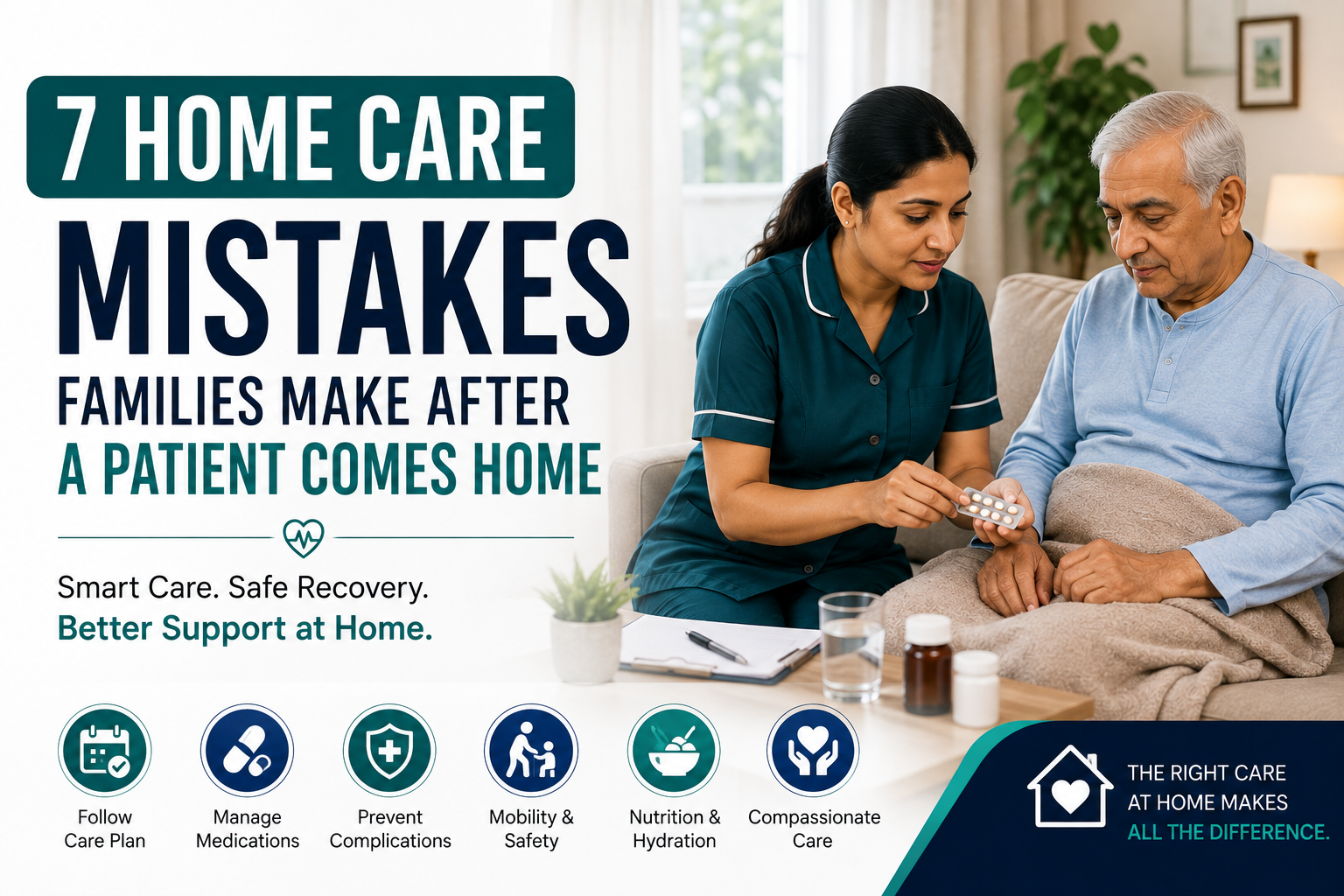
Bringing a loved one home after hospitalization can feel like a major relief. The hospital stay is over, the patient is finally surrounded by family, and everyone hopes that recovery will now become easier.
But this is also the stage when many families realize that caring for a patient at home is not as simple as it looks.
Medication schedules, wound care, mobility, nutrition, hygiene, follow-up appointments, vital monitoring, and emotional support can quickly become overwhelming. Even small mistakes in daily care can make recovery more difficult or delay the patient’s progress.
For families looking for patient care at home in Jaipur, understanding these common mistakes can help create a safer and more organized recovery environment.
Professional home care can also provide families with additional support when the patient’s needs are beyond what relatives can comfortably manage.
Parijat Nursing Care & Solutions provides post-surgery and patient care at home, including vital monitoring, wound care and dressing, medication management, mobility assistance, nutrition and feeding, personal care, and additional recovery support.
Let’s look at seven common mistakes families should avoid.
Mistake #1: Assuming Hospital Discharge Means Recovery Is Complete
One of the biggest misconceptions is that once a patient is discharged, they are completely recovered.
Hospital discharge generally means that the patient is stable enough to continue recovery outside the hospital. It does not necessarily mean that the patient can immediately return to their previous routine.
Depending on the procedure or illness, a patient may still need:
- Regular vital monitoring
- Wound dressing
- Medication support
- Mobility assistance
- Nutrition and feeding assistance
- Personal hygiene support
- Rest and activity management
- Follow-up appointments
The first few days at home can be especially important because the family needs to understand and follow the discharge instructions correctly.
What Families Should Do
Before leaving the hospital, make sure you understand:
- Which medicines need to be taken and when
- How the wound should be managed
- Which activities should be avoided
- When the patient should return for a follow-up
- What warning signs require medical attention
- Whether professional nursing or caregiving support is required
If the patient’s care needs are complex, professional patient care services in Jaipur can help families manage the transition from hospital to home more effectively.
Internal Link Opportunity: Link the phrase “post-surgery and patient care” to Parijat’s Post-Surgery & Patient Care service page.
Mistake #2: Managing Everything Without a Care Plan
Families often begin home care with good intentions but without a clear daily routine.
One person remembers the medicines. Another prepares food. Someone else takes the patient to appointments. Meanwhile, nobody is completely sure who is responsible for monitoring the patient’s condition.
This can create confusion.
A simple care plan can make a major difference.
A Basic Home Care Plan Should Include:
| Care Area | What to Track |
|---|---|
| Medication | Medicine name, timing and prescribed instructions |
| Nutrition | Meals, fluids and dietary requirements |
| Mobility | Walking, positioning and assistance required |
| Wound Care | Dressing schedule and changes to observe |
| Vital Signs | BP, pulse, temperature or oxygen level when advised |
| Appointments | Follow-up dates and medical consultations |
| Personal Care | Bathing, grooming and hygiene assistance |
The plan should be based on the treating doctor’s instructions and the patient’s individual needs.
A structured routine also helps family members communicate with one another and reduces the possibility of missed tasks.
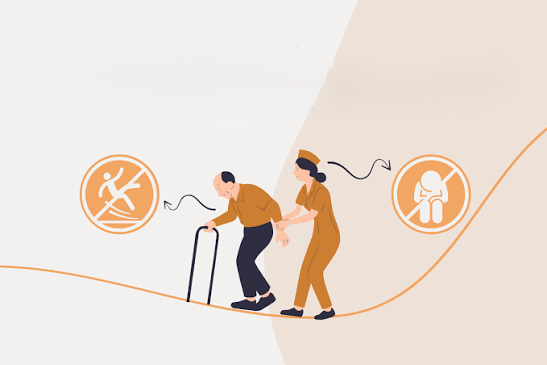
Mistake #3: Ignoring Mobility and Fall Risks
After surgery, illness, injury or prolonged hospitalization, patients may become weaker than before.
A person who normally walks independently may suddenly need assistance getting out of bed, using the bathroom, climbing stairs or moving between rooms.
Trying to make the patient walk without considering their condition can increase the risk of falls.
At the same time, keeping a patient completely immobile for longer than medically advised may also create problems.
The right approach is safe movement according to the patient’s medical advice.
Families should:
- Keep walking areas free of clutter
- Remove loose rugs where possible
- Keep frequently used items within reach
- Ensure bathrooms are safe
- Provide appropriate mobility assistance
- Follow physiotherapy or rehabilitation instructions
- Avoid forcing movement when the patient is weak or in pain
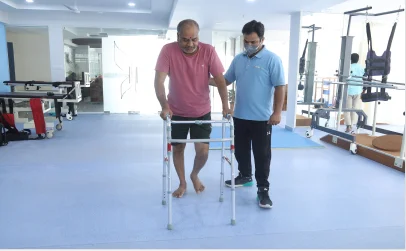
Professional home patient care may include assistance with walking, positioning, transfers and gentle mobilization when appropriate. Parijat’s current patient-care service specifically includes mobility assistance and rehabilitation support.
Mistake #4: Treating Medication Management Casually
Medication errors are another common problem during home recovery.
Patients may have several medicines prescribed at different times of the day. Some may need to be taken with food, while others may have specific instructions.
Family members should never guess about medication dosage or make changes without medical advice.
Better Medication Management
Create a simple medication chart containing:
- Medicine name
- Prescribed dose
- Time
- Before or after food instructions, if applicable
- Doctor’s instructions
Use reminders if necessary.
If the patient requires regular medication assistance, a trained caregiver or nurse may help the family maintain the prescribed routine.
Medication support is also part of Parijat’s patient-care services.
Mistake #5: Neglecting Nutrition and Hydration
Recovery requires adequate nutrition, but patients may have reduced appetite after surgery or illness.
Some may also experience difficulty eating independently.
Families sometimes focus so heavily on medication and medical procedures that nutrition gets overlooked.
A patient’s dietary requirements should always follow the treating doctor’s or dietitian’s recommendations, especially when the person has diabetes, kidney disease, swallowing difficulties or other dietary restrictions.
Depending on medical advice, families may need to focus on:
- Adequate fluids
- Appropriate protein intake
- Fruits and vegetables where suitable
- Easily manageable meals
- Regular meal timing
- Feeding assistance when required
Parijat’s patient-care services include nutrition and feeding support tailored to the patient’s recovery needs.
Mistake #6: Ignoring Changes in the Patient’s Condition
Families can become so focused on completing daily tasks that they overlook changes in the patient’s condition.
A patient may seem fine in the morning and become unusually tired, confused or uncomfortable later.
The important point is not to diagnose the problem yourself.
Instead, observe changes and communicate concerning symptoms to the appropriate healthcare professional.
Depending on the patient’s condition, families may be instructed to monitor things such as:
- Temperature
- Blood pressure
- Pulse
- Oxygen saturation
- Pain
- Appetite
- Mobility
- Wound appearance
- General alertness
If there is severe breathing difficulty, loss of consciousness, uncontrolled bleeding, severe chest pain, or another emergency symptom, seek urgent medical care rather than relying on home-care services.
Mistake #7: Trying to Do Everything Alone
This is perhaps the most overlooked mistake.
Family members often believe that asking for professional help means they are not doing enough for their loved one.
The opposite can be true.
Professional support can allow family members to focus on emotional support and meaningful time with the patient while trained attendants handle appropriate care responsibilities.
Home care can become particularly difficult when:
- The patient needs assistance throughout the day
- Family members work full-time
- Multiple family members live away from Jaipur
- The patient has limited mobility
- The patient needs regular monitoring
- The family caregiver is becoming exhausted
Professional patient care at home in Jaipur can provide additional support while allowing the family to remain involved in the recovery process.
When Should You Consider Professional Patient Care at Home?
Not every patient requires professional home care.
However, additional support may be useful when the patient needs help with:
- Daily activities
- Personal hygiene
- Mobility
- Medication routines
- Wound care
- Vital monitoring
- Feeding
- Recovery after surgery
- Catheter or tube care
- Rehabilitation exercises
Parijat currently lists these types of support as part of its post-surgery and patient-care services.
How Professional Home Care Can Help Families
A professional care arrangement can create a more structured recovery environment.
Parijat’s current care process involves discussing the patient’s requirements, creating a personalized care plan and assigning appropriate trained support.
This approach can help families understand what needs to be done rather than trying to manage everything through guesswork.
It can also provide continuity when family members cannot be available throughout the day.
For patients recovering at home, the goal should always be to combine medical guidance, safe daily care, emotional support and family involvement.
How to Choose Patient Care Services in Jaipur
Before choosing a home-care provider, families should consider:
1. Experience
Ask about experience with patients who have similar care requirements.
2. Trained Staff
Understand whether the assigned caregiver or attendant has appropriate training for the patient’s needs.
3. Personalized Care
A patient’s care should not be treated as a one-size-fits-all service.
4. Communication
The family should know how updates and concerns will be communicated.
5. Scope of Services
Clarify exactly what the provider will and will not handle.
6. Flexibility
Care requirements can change during recovery. Ask whether the care plan can be adjusted.
Frequently Asked Questions
What is patient care at home?
Patient care at home involves providing appropriate medical, personal and daily-living support to a patient in their home. Depending on the patient’s needs, it may include mobility assistance, medication support, wound care, vital monitoring, nutrition, hygiene and recovery assistance.
Is home patient care suitable after hospital discharge?
It can be suitable for patients who are medically stable but still require assistance during recovery. The treating doctor should determine whether home recovery is appropriate.
When should I hire a caregiver for a patient at home?
A caregiver may be helpful when the patient needs assistance with daily activities, mobility, hygiene, feeding, companionship or routine support.
When is a trained nurse required instead of a caregiver?
A trained nurse may be required when the patient needs skilled nursing procedures or clinical monitoring. The appropriate professional depends on the patient’s medical requirements.
How long does a patient need home care?
There is no single duration. It depends on the patient’s condition, surgery or illness, recovery progress and medical recommendations.
What should families monitor after hospital discharge?
Families should follow the discharge instructions and monitor the specific parameters recommended by the healthcare team. Any concerning or worsening symptoms should be communicated to the appropriate medical professional.
Final Thoughts
Bringing a patient home can be a positive step toward recovery, but it also creates new responsibilities for the family.
Avoiding common mistakes—such as ignoring mobility risks, missing medication schedules, neglecting nutrition, overlooking changes in condition or trying to manage everything alone—can make the home recovery process more organized.
If your family needs additional support, professional patient care at home in Jaipur can provide practical assistance while allowing loved ones to remain involved in the patient’s recovery.
Parijat Nursing Care & Solutions provides patient and post-surgery care designed around individual recovery requirements, with services including vital monitoring, wound care, medication support, mobility assistance, nutrition, personal care and additional recovery support.
Need professional patient care at home in Jaipur? Contact Parijat Nursing Care & Solutions to discuss your loved one’s care requirements.

Leave a Reply